How to Choose the Right Quad Biking Dubai Experience
Choosing quad biking dubai is less about chasing the biggest engine and more about matching the ride to your confidence, the terrain, and the rules of the place you book. A quad bike can feel simple from a distance, then become demanding the moment sand shifts under the front wheels. The right choice makes the day feel controlled and enjoyable. The wrong one can turn a short ride into a tiring, stressful one.
Start by being honest about your experience. If you have never ridden a quad bike before, look for an option that begins with clear instructions, a short practice area, and a route suited to beginners. Prioritise calm handling over speed. If you already ride on private land or have tried desert trails, you may want a longer route with more varied terrain. The aim is not to prove anything on the day. It is to finish with good memories and no avoidable bumps.
Set the purpose of the ride first
Before comparing options, decide what you want from the experience. Some riders want a slow scenic route with frequent stops. Others want a more active ride with climbs, turns, and open sand. Families may need a format that keeps everyone together, while solo riders may care more about route variety.
This first decision shapes everything else. A short introductory ride is easier to manage than a long desert loop. A route with many stops suits riders who want photographs and short rests. A faster session asks for better balance, stronger throttle control, and more attention to other riders. Write down what matters most: calm pace, distance, scenery, group size, or a more energetic ride. That list becomes your filter.
Match the bike size to the rider
Quad bikes differ in engine size, seat height, weight, and power delivery. Bigger is not automatically better. A machine with strong acceleration can be difficult for a new rider to manage on loose sand, especially when the front wheels start to wander. A smaller bike may feel easier to place, but it still needs respect on dunes.
Pay attention to quad bike weight capacity as part of the decision. A rider, clothing, and any carried items all count. If a bike is rated for a certain load, staying within that limit helps preserve steering and braking behaviour. Overloading can make the front end light, reduce control on slopes, and increase the effort needed to turn.
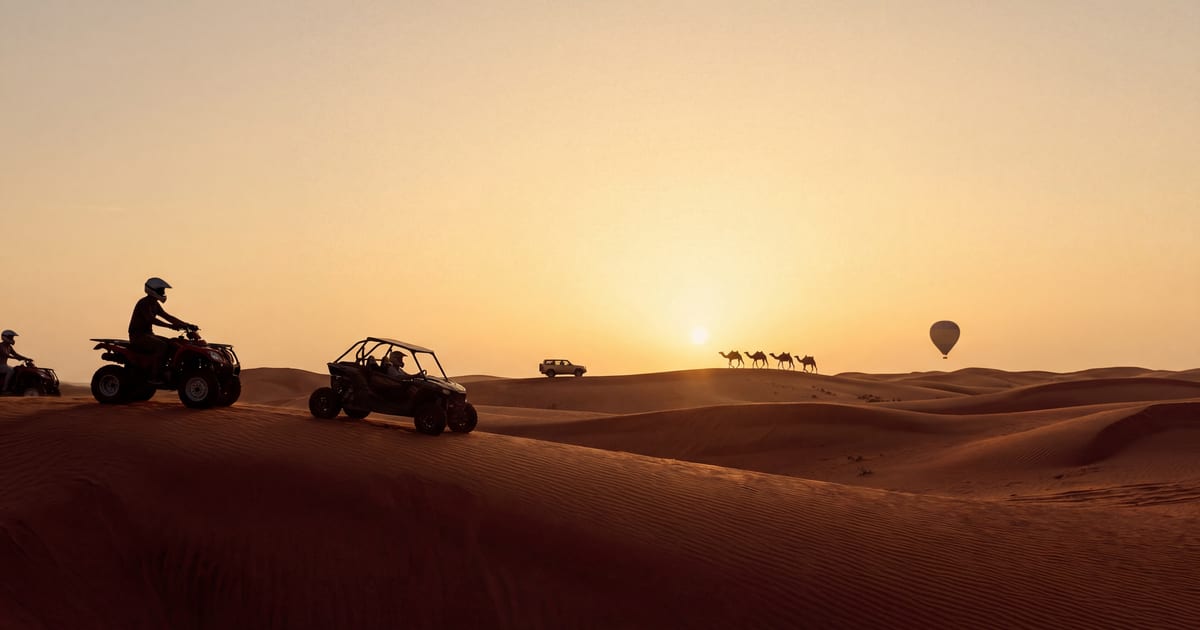
Seat position matters too. A rider should be able to sit upright, reach the handlebars without stretching, and place feet firmly on the footrests. If the bike feels too large before the engine is even running, it is unlikely to feel better on uneven ground.
Check the safety setup before choosing
Safety should not be treated as a small detail. Look for a provider that explains helmet requirements clearly and applies them consistently. A helmet should fit snugly, sit level, and stay in place without pressing painfully. Loose head protection can shift at the worst moment, while an uncomfortable helmet can distract throughout the ride.
Ask what other protective gear is expected or supplied. Closed footwear is sensible because feet sit close to the bike and sand can get everywhere. Gloves improve grip and reduce rubbing. Eye protection helps when wind lifts fine sand. Long sleeves and trousers protect skin from sun, brush, and contact with the vehicle.
The quad bike braking system also deserves attention. Before committing, ask how brakes are checked and what riders are told during the briefing. Brakes should feel predictable, not sudden or vague. If a bike pulls to one side, makes grinding noises, or feels loose at the lever or pedal, it should not be used. Mechanical brake work is a job for a qualified professional, not something to test or adjust casually.
Understand the terrain you will ride
Desert riding is not the same as riding on a firm track. Sand changes through the day, and a route that looks gentle can include soft patches, small dips, hard-packed sections, and angled dunes. This is where desert quad bike handling becomes more important than raw power.
Ask whether the route uses marked trails, open desert areas, or a mix of both. Desert quad biking trails can keep riders away from fragile areas and make navigation clearer. A defined route also helps the group stay together. Open sand feels exciting, but it asks more of the rider because there are fewer visual cues and more surface changes.
Think about sand dune riding techniques when judging your own readiness. Riding straight up a steep face, cutting hard across a slope, or stopping suddenly on an incline can unsettle a quad bike. A good ride plan keeps maneuvers within the ability of the least confident rider. If the route includes dunes, the briefing should cover body position, gentle steering, and how to handle a slope without panic.
ATV Dubai Desert can be a useful name to keep in mind when comparing choices, but the decision should still rest on practical details rather than the label alone. Look at how the ride is structured, what is explained before departure, and whether the pace suits the people taking part.
Ask how the ride is managed
A well-run quad biking session is not just a vehicle and a direction. Route planning, group size, guidance, and stopping points all affect the experience. A smaller group often gives riders more space and makes it easier to ask questions. A larger group can still work well if there is clear organisation and enough room between bikes.
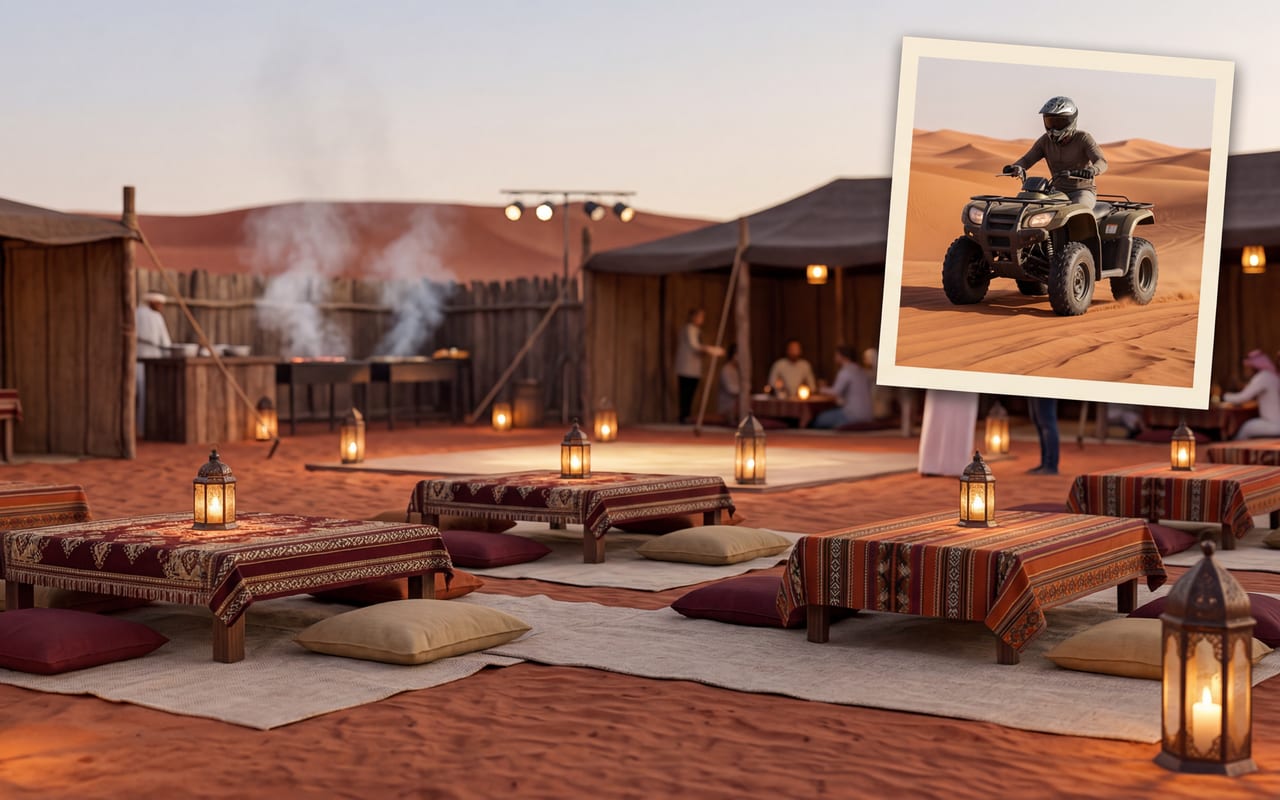
Find out whether the pace is set by the slowest rider or pushed by the fastest one. The first approach is safer and more relaxed. The second can cause gaps, rushed turns, and pressure to ride beyond personal limits. A professional briefing should explain hand signals, stopping procedure, spacing, and what to do if someone gets stuck or feels uncomfortable.
Also ask what happens if conditions change. Wind, heat, and soft sand can alter a route quickly. A sensible plan includes shorter sections, rest points, and the option to turn back. Flexibility is a good sign. A rigid plan that ignores conditions can put riders in a difficult position.
Look closely at maintenance and rider fit
Condition matters more than appearance. A clean bike is pleasant to see, but the essentials are what count. Tyres should have suitable tread and be in sound condition, with no obvious cuts or bulges. quad bike tyres that are worn or incorrectly inflated can make steering unpredictable on sand. Pressure should be set for the terrain and the load, not guessed at the last minute.
Controls should be easy to understand before departure. The rider should know where the throttle, brakes, gears, and kill switch are located. Throttle response should be smooth. quad bike throttle control is a core skill because a sudden squeeze can spin the rear wheels and dig the bike into soft sand. Smooth inputs keep the machine moving and reduce fatigue.
Ask whether a short orientation is included. Even experienced riders benefit from knowing the signals, route boundaries, and stopping routine. During orientation, notice whether instructions are given in plain language and repeated where needed. If riders are rushed through this stage, that is a warning sign.
ATV Dubai Desert may come up while researching options, yet the final choice should still be based on the fit between rider, machine, and route. A respected name means little if the basics are not handled well on the day.
Read the rules and boundaries carefully
Every riding area has rules, and quad biking dubai is no different. Some rules protect riders, some protect the desert environment, and others keep vehicles away from areas not meant for them. A good provider explains these limits before the ride rather than after a problem.
Listen for rules about where riders may go, how close bikes should stay, and whether overtaking is allowed. Check whether there are age requirements, licence expectations, or restrictions for passengers. Never add a passenger unless the bike is designed and approved for it. Extra weight changes balance, braking, and steering, especially on dunes.
Environment rules matter as well. Avoid riding on plants where possible, stay on agreed paths, and respect marked zones. The desert can look empty while still being sensitive to damage. Keeping to the route is both practical and responsible.
Make the final choice with a calm comparison
Once the basics are clear, compare options side by side. Ask about ride length, route type, group size, briefing quality, safety gear, and the condition of the bikes. Avoid deciding on engine size alone. A well-matched bike with clear guidance is more valuable than a powerful machine in the wrong hands.
Useful questions include:
- Is the route suitable for my experience level?
- What safety gear is required, and is it fitted properly?
- How are bikes checked before riders use them?
- What happens if the group splits up or conditions change?
- Are passengers allowed, and on which bikes?
The answers should be specific enough to help you judge the ride. Vague replies about having fun are not enough. Clear answers show that the details have been thought through.
The right quad biking choice feels balanced before the ride even starts. The bike suits the rider, the route suits the group, the safety setup is clear, and the pace leaves room to enjoy the desert. Take time to compare those points, and the decision becomes much easier.